Why Indian Film Composers Keep Returning to Chennai Recording Studios
From live string sections to traditional percussion, Chennai’s recording studios remain the sonic engine behind Indian film music.
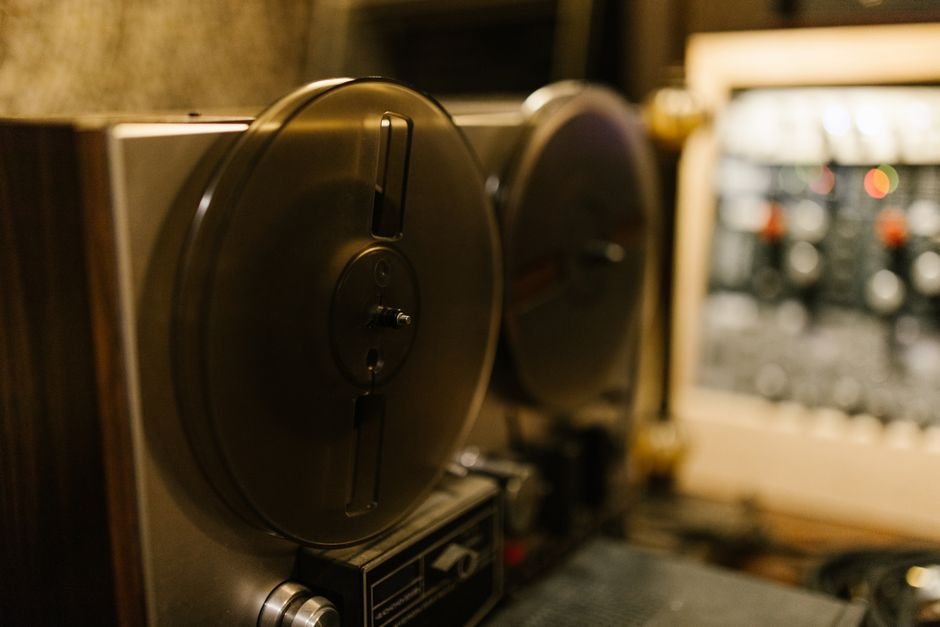
Walk through the quiet residential lanes of Kodambakkam, Vadapalani, or Saligramam on any weekday afternoon, and you will likely pass nondescript acoustic doors that hide some of the busiest recording rooms in the country. For decades, Chennai has operated as the beating heart of Indian film music. Even as modern digital production tools allow an entire score to be assembled on a laptop, composers from across south India and Mumbai consistently book studio time here.
This enduring preference is not merely a matter of habit. Chennai possesses a dense, specialized musical ecosystem built over generations, combining technical engineering facilities with an extraordinarily versatile pool of session players.
The Living Tradition of the String Section
One of the primary reasons filmmakers travel to Chennai is the city’s acoustic orchestra culture. Film scoring in India has historically relied heavily on sweeping string arrangements, and Chennai remains home to some of the finest film chamber orchestras in Asia. These ensembles comprise violinists, violists, cellists, and double bass players who possess a rare dual fluency.
Most Chennai session string players are trained in Western classical notation while being intimately familiar with Indian classical phrasing, particularly Carnatic gamakas. This allows them to sight-read complex Western orchestral scores while still executing the microtonal slides and emotional nuances unique to Indian melodies. When a composer needs a forty-piece string section to deliver both technical precision and soulful expression in a single three-hour session, Chennai’s recording halls are often the first choice.
A World-Class Network of Session Instrumentalists
Beyond strings, Chennai offers immediate access to master soloists across an astonishing range of instruments. Within a five-kilometre radius in west Chennai, music producers can summon virtuosos of the veena, flute, nadaswaram, sitar, mandolin, and acoustic guitar.
The percussion talent pool is equally formidable. A typical film soundtrack might require traditional folk instruments such as the parai, thavil, and urumee alongside classical mridangam, ghatam, and Latin congas. Chennai’s session percussionists have spent decades adapting traditional rhythmic patterns to the strict time codes required by cinema, ensuring that dynamic live acoustic energy locks perfectly into a film’s visual tempo.
Engineering Heritage and Acoustic Spaces
The city’s sonic reputation is also grounded in its physical infrastructure and the sound engineers who run it. Legacy recording institutions set high acoustic benchmarks mid-century, and modern private facilities have continued that tradition with custom-designed tracking rooms, isolation booths, and analogue outboard gear.
Sound engineers in Chennai are celebrated for their ability to manage complex acoustic balances. Tracking dozens of live instruments simultaneously without bleed requires a deep understanding of room physics and microphone placement. Generations of sound engineers in the city have passed down proprietary techniques for capturing natural room ambience, producing a warm, punchy sound that purely digital samples struggle to replicate.
A Cross-Industry Creative Exchange
Chennai’s music studios have never operated in isolation for Tamil cinema alone. The city has long served as a shared creative workshop for Telugu, Malayalam, Kannada, and Hindi cinema. Legendary composers established their main operational bases here, creating an infrastructure that welcomed directors and producers from every regional industry.
This cross-pollination created an environment where experimentation is standard practice. A session scheduled in the morning might involve tracking an intricate classical raga for a Malayalam art film, while the evening session in the same room could feature distorted electric instruments for a commercial Telugu action sequence. That versatility keeps the city’s musicians sharp, adaptable, and fast.
How to Appreciate the Craft on Screen
For listeners and filmgoers, paying closer attention to the acoustic elements of a score can completely transform the viewing experience. The next time you watch a film, listen closely during dramatic dialogues or wide scenic shots.
- Listen for breath and bow friction: In solo flute, pullankuzhal, or violin passages, subtle acoustic imperfections—the sound of fingers on wood or bow hair dragging across steel—indicate live, expressive performance.
- Notice the rhythmic swing: Programmed digital beats are strictly quantized to a mechanical grid, whereas live percussionists introduce micro-delays and subtle accelerations that create human groove.
- Track the acoustic depth: In large orchestral scenes, notice whether instruments feel like they are sharing a real physical room or if they sound flat and separated.
As film technology continues to evolve, the tools used to create cinematic soundscapes will keep shifting. Yet Chennai’s reputation as a recording hub rests on something software cannot manufacture: thousands of dedicated musicians who have spent lifetimes turning performance into feeling.
Photo: RDNE Stock project / Pexels