Mastering Kumbakonam Kadappa for Fluffy Idlis and Crispy Dosas
Learn how to make authentic Kumbakonam Kadappa, a fragrant moong dal and potato stew that pairs effortlessly with idlis, dosas, and pooris.
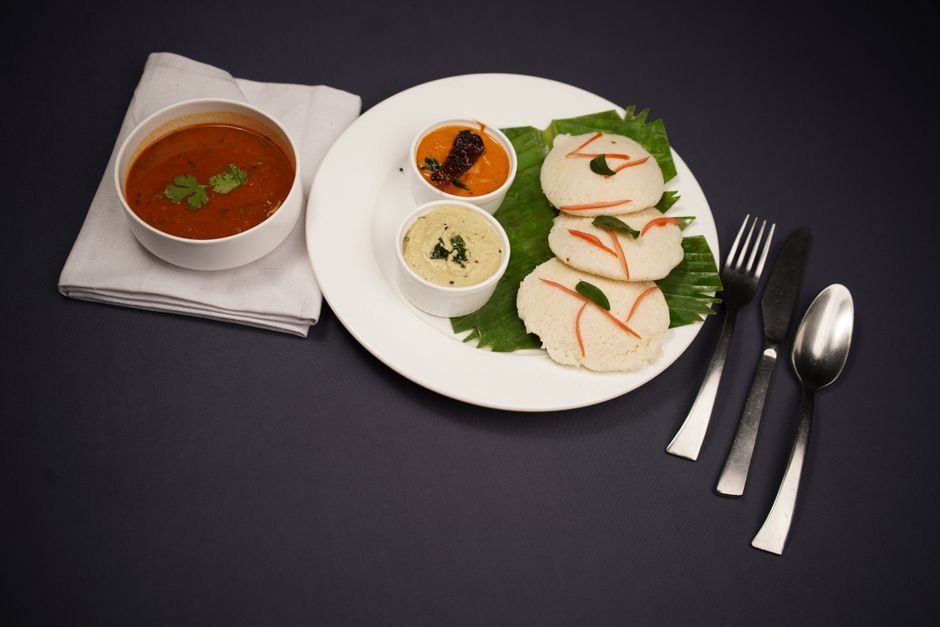
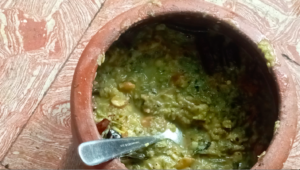
If you have ever ordered a plate of hot idlis or set dosas in the delta districts of Tamil Nadu, chances are you were served a pale, fragrant, mildly spiced side dish instead of the usual orange sambar. That comforting accompaniment is Kumbakonam Kadappa, a signature regional stew made with split yellow moong dal, mashed potatoes, and a delicate coconut-fennel paste.
Unlike fiery Chettinad gravies or tamarind-heavy kuzhambu varieties, Kadappa is gentle on the stomach. It relies on whole spices, fresh green chillies, and a squeeze of lime to create a velvety, subtly sweet, and savoury gravy that coats hot idlis and flaky pooris perfectly.
The Core Elements of an Authentic Kadappa
The beauty of Kadappa lies in how simple pantry staples transform into a layered, aromatic gravy. To get the texture and flavour right, you need to balance three key components:
- The Dal Base: Split yellow moong dal (paasi paruppu) provides a light, creamy body without overwhelming the spices.
- The Texture: Boiled and roughly mashed potatoes add substance. Leaving a few bite-sized chunks gives the gravy an appealing mouthfeel.
- The Ground Paste: Freshly grated coconut ground with roasted gram (pottukadalai), fennel seeds (soombu), green chillies, and garlic delivers the classic Kumbakonam flavour profile.
Ingredients You Will Need
Here is what you need to prepare a batch that serves four people:
For the Dal and Vegetable Base
- 1/2 cup split yellow moong dal
- 2 medium potatoes, peeled and quartered
- 1/4 teaspoon turmeric powder
- 2.5 cups water
For the Fragrant Paste
- 1/3 cup freshly grated coconut
- 1 tablespoon roasted gram (pottukadalai) or soaked khus khus (poppy seeds)
- 3 to 4 green chillies (adjust to taste)
- 1 teaspoon fennel seeds
- 3 cloves of garlic
- 1 small piece of ginger (optional)
- 2 cloves and a 1-inch piece of cinnamon
For Tempering and Simmering
- 1 tablespoon sesame oil or coconut oil
- 1/2 teaspoon mustard seeds
- 1/2 teaspoon fennel seeds
- 1 bay leaf (biryani ilai)
- 1 sprig fresh curry leaves
- 1 medium onion, thinly sliced
- 1 small tomato, finely chopped
- Salt to taste
- 1 tablespoon fresh coriander leaves, finely chopped
- 1 teaspoon fresh lemon juice
Step-by-Step Cooking Instructions
Making Kadappa takes roughly 30 minutes from start to finish, especially if you multi-task while the dal cooks.
1. Cook the Dal and Potatoes
Rinse the moong dal thoroughly. In a pressure cooker, combine the dal, quartered potatoes, turmeric powder, and 2 cups of water. Pressure cook on medium heat for three to four whistles until both the dal and potatoes are tender. Let the pressure release naturally. Open the cooker and lightly mash the potatoes with the back of a ladle, keeping small chunks intact.
2. Grind the Masala Paste
Add the grated coconut, roasted gram, green chillies, fennel seeds, garlic, cloves, and cinnamon to a small mixer jar. Add 1/4 cup of water and grind to a completely smooth paste. The roasted gram acts as a natural thickener and ensures the coconut does not separate later during boiling.
3. Sauté the Aromatics
Heat oil in a heavy-bottomed kadai over medium flame. Add mustard seeds and let them crackle. Add the remaining fennel seeds, bay leaf, and curry leaves. Sauté for a few seconds until fragrant. Add the sliced onions and sauté until translucent. Toss in the chopped tomatoes and cook for two minutes until they soften slightly, without turning into a mushy paste.
4. Combine and Simmer
Pour the cooked dal and mashed potatoes into the kadai. Stir in the ground coconut paste along with salt and an additional cup of water to loosen the consistency. Kadappa should have a flowing, soup-like texture because it thickens considerably as it cools.
Lower the flame and bring the gravy to a gentle simmer for 4 to 5 minutes. Avoid boiling it vigorously on high heat, which can cause the coconut to curdle and dull the delicate aroma of fennel.
5. Finish with Lime and Fresh Herbs
Turn off the stove. Stir in the finely chopped coriander leaves. Allow the gravy to rest for two minutes, then stir in the fresh lemon juice. Give everything a gentle mix, taste for seasoning, and adjust the salt if necessary.
Tips for Getting the Balance Just Right
A few small adjustments make a big difference in the final taste:
- Do not skip the lemon juice: Because Kadappa contains no tamarind, the lemon juice added at the very end provides essential acidity that balances the richness of the coconut and dal.
- Monitor the consistency: If the gravy feels too thick after cooling, whisk in a splash of warm water and heat through briefly before serving.
- Keep the spice level mild: The heat should come strictly from fresh green chillies rather than red chilli powder, keeping the colour light and golden.
Serve Kumbakonam Kadappa piping hot alongside soft steamed idlis, hot poori, or crisp dosa for a classic delta-style breakfast.
Photo: Jack Baghel / Pexels