A Guide to Chennai’s Enduring Single-Screen Cinema Culture
Explore the history, unique rituals, and distinct charm that keep Chennai’s iconic single-screen movie halls alive.
Cinema in Tamil Nadu is more than weekend entertainment. It is a shared cultural ritual, and nowhere is this spirit clearer than inside Chennai’s legacy single-screen theatres. While modern multiplexes offer plush recliners and gourmet menus, the city’s standalone movie halls continue to draw dedicated crowds for their unmatched scale, energy, and history.
From the bustling streets of Mount Road to residential pockets in Royapettah, Purasaivalkam, and North Chennai, single screens have shaped generations of filmgoers. Understanding this culture offers a window into the heart of Tamil cinema appreciation.
The Architecture of the Big Screen
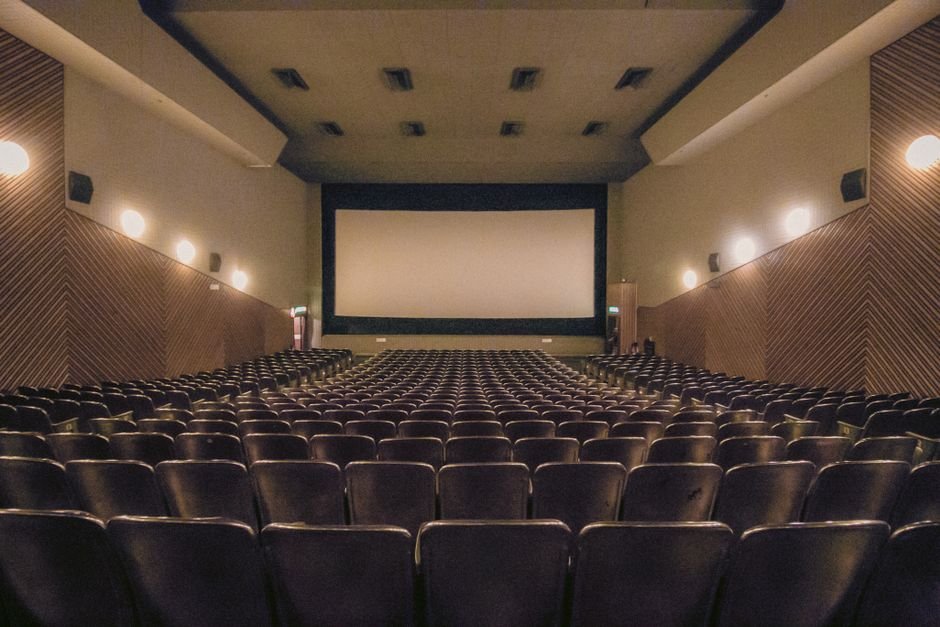
Most single screens in Chennai were constructed between the 1950s and 1980s, designed to hold anywhere from 600 to over 1,000 viewers in a single hall. Unlike compact multiplex screens, these auditoriums feature expansive proscenium arches, deep balconies, and wide curved screens that create an immersive visual field.
The seating arrangements reflect traditional theatre design. The Balcony often offers the best elevation and sound balance, while the lower deck—traditionally divided into First Class and Second Class—puts viewers right in front of the massive screen, creating an immediate, visceral connection to the action.
Pioneering Sound and Projection Technology
Chennai’s single screens have historically led the country in audio-visual upgrades. Kodambakkam’s proximity as the hub of South Indian film production meant local theatre owners were among the earliest adopters of advanced cinema technology.
- Sound innovations: The city’s theatres were among the first in India to install multi-channel digital sound systems such as DTS in the 1990s, followed by early transitions to Dolby Atmos.
- Digital projection: Chennai was central to the digital cinema revolution, moving away from heavy physical film reels to high-definition digital mastering through local systems like Qube Cinema.
- Acoustic treatment: Large halls require precise acoustic engineering, using heavy drapes, angled wall panels, and tuned subwoofers to ensure clarity across every row.
The First Day First Show Experience
No account of Chennai cinema culture is complete without the First Day First Show, commonly known as FDFS. For major star releases, celebrations begin well before dawn. Fan clubs organize massive cutouts adorned with garlands, burst firecrackers, and distribute sweets outside the premises.
Inside the auditorium, the atmosphere during an FDFS screening is electrifying. The moment the production house logo appears on screen, the hall erupts into coordinated cheers, whistling, and confetti showers. Dialogues are celebrated like musical beats, and introductory fight sequences prompt spontaneous applause that drowns out the speakers.
In a packed single-screen hall, watching a film is not a passive activity. It is a collective performance where the audience responds to the screen in real time.
The Unmatched Canteen Experience
Single-screen intervals have their own culinary tradition. Unlike multiplexes with uniform pricing, standalone halls have long maintained accessible rates for intermission snacks.
Classic staples include warm vegetable samosas paired with sweet and spicy chutneys, masala cutlets, potato puffs, and salted butter biscuits. A hot cup of South Indian filter coffee or strong ginger tea remains the standard beverage of choice, served swiftly to hundreds of patrons within a fifteen-minute intermission window.
Preserving Community Spaces
In an era dominated by home streaming services and boutique cinema chains, single-screen theatres provide an affordable public space for community gathering. Ticket prices at these venues remain strictly regulated, ensuring that theatrical cinema remains accessible to families, students, and working-class audiences across the city.
Many historic theatres have renovated their interiors with modern air conditioning, laser projection, and push-back seating while retaining their distinct grand exteriors. For anyone looking to understand the pulse of cinema in Tamil Nadu, spending an evening in a Chennai single-screen theatre remains the definitive experience.
Photo: Houses Cheung / Pexels