How to Extend Your Car Clutch Life in Heavy Urban Traffic
Learn practical driving habits and maintenance checks to prevent clutch wear and avoid expensive transmission repairs in city traffic.
Daily commuting through dense Indian city traffic places intense physical strain on your vehicle, and manual transmissions take the brunt of that punishment. Crawling across busy arterial junctions, inching along flyovers during peak hours, and stopping every few metres at traffic signals can wear down a clutch assembly long before its expected lifespan.
Replacing a worn clutch plate, pressure plate, and release bearing can easily set you back anywhere from a few thousand rupees on a hatchback to significant sums on a mid-sized sedan or SUV. With conscious driving habits and routine maintenance, you can dramatically reduce unnecessary friction, extend the life of your clutch, and enjoy smoother gear shifts for years.
Break the Habit of Riding the Clutch
Riding the clutch is arguably the most common cause of premature failure among city drivers. This happens when you rest your left foot lightly on the clutch pedal while cruising or inching forward. Even slight pressure keeps the clutch disc partially disengaged, causing continuous friction against the flywheel.
This constant friction generates intense heat, which glazes the clutch friction material and accelerates wear. Always make use of the dead pedal or rest your foot firmly flat on the floorboard whenever your vehicle is moving and you are not actively changing gears.
Shift to Neutral at Traffic Signals
When waiting at a red light or sitting in bumper-to-bumper gridlock, many drivers keep the car in first gear with the clutch pedal fully depressed. While this allows for a quick takeoff when traffic moves, it causes avoidable wear to the clutch release bearing and diaphragm spring.
Holding the pedal down for minutes at a time keeps the entire hydraulic or mechanical linkage under continuous load. Whenever you anticipate stopping for more than five to ten seconds, shift the gearbox into neutral and take your foot completely off the clutch pedal.
Use the Handbrake on Inclines
Holding a manual car stationary on an uphill slope—such as a steep flyover or a basement parking ramp—by balancing the clutch bite point against the accelerator is a dangerous habit. This technique, often called slipping the clutch, forces the friction disc to absorb the entire weight of the vehicle against gravity.
Instead, use the handbrake start technique. Pull the parking brake firmly while stopped on an incline, engage first gear, and gently raise the clutch to the bite point while applying slight accelerator pressure. Once you feel the car pull forward against the brake, release the handbrake smoothly to move ahead without rolling back or burning the clutch.
Avoid Resting Your Hand on the Gear Lever
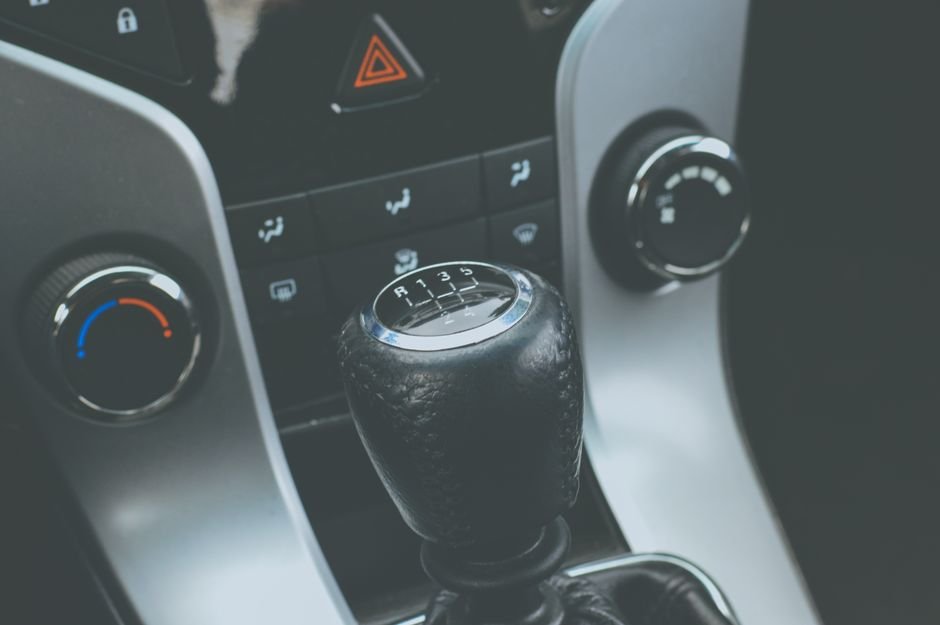
While this habit primarily affects the gearbox rather than the friction plate directly, resting your left hand on the gear shifter transmits continuous downward pressure through the selector forks inside the transmission. Over time, this causes premature wear on the synchroniser rings and selector bushings, making gear engagement clunky and placing unnatural resistance against the clutch mechanism.
Keep both hands on the steering wheel unless you are actively moving the gear lever between ratios.
Master Smooth Downshifting and Rev-Matching
Sudden, jerky downshifts force the clutch plate to rapidly bridge the speed difference between a fast-spinning transmission and a slower-turning engine. Over thousands of kilometres, these harsh engagements wear down the torsion springs in the clutch plate hub.
When shifting down to a lower gear to overtake or prepare for a turn, release the clutch pedal progressively rather than dropping it abruptly. Applying a gentle tap to the accelerator pedal just before releasing the clutch in the lower gear—known as rev-matching—helps synchronise engine speed with gearbox speed, resulting in virtually frictionless engagement.
Watch for Early Signs of Clutch Failure
Catching transmission problems early helps prevent secondary damage to the engine flywheel. Keep an eye out for these common warning signs during your weekly drives:
- Slipping: The engine revs rise sharply when you press the accelerator, but the vehicle does not accelerate at the expected rate.
- Burning smell: A distinct, acrid odour after driving through heavy traffic or reversing up a slope indicates overheating friction material.
- Spongy or stiff pedal: A sudden change in pedal resistance often points to failing hydraulic master or slave cylinders, or a stretched clutch cable.
- Difficulty changing gears: Grinding noises or resistance when selecting first gear or reverse usually means the clutch is dragging and not disengaging fully.
Keep Up with Hydraulic and Cable Inspections
Regular maintenance ensures the operating mechanism stays as healthy as the friction plate itself. During your scheduled vehicle service, have your mechanic inspect the clutch fluid reservoir if your car uses a hydraulic system. Brake and clutch fluid absorbs moisture over time, reducing operating pressure and causing sluggish disengagement.
If your car uses a traditional cable-operated clutch, ensure the cable tension is adjusted correctly to maintain the recommended pedal free play. A well-adjusted pedal guarantees complete disengagement when pressed and zero drag when released, ensuring your transmission operates at peak efficiency.
Photo: Raduz / Pexels